How One Roadside Curiosity Shop Accidentally Turned a Michigan Town Into Gnome Central
Sometimes the most ridiculous transformations start with the most mundane decisions. Like when Harold Brennan decided his roadside shop in tiny Reese, Michigan, needed something different to draw customers off Highway 15.
 Photo: Reese, Michigan, via i.pinimg.com
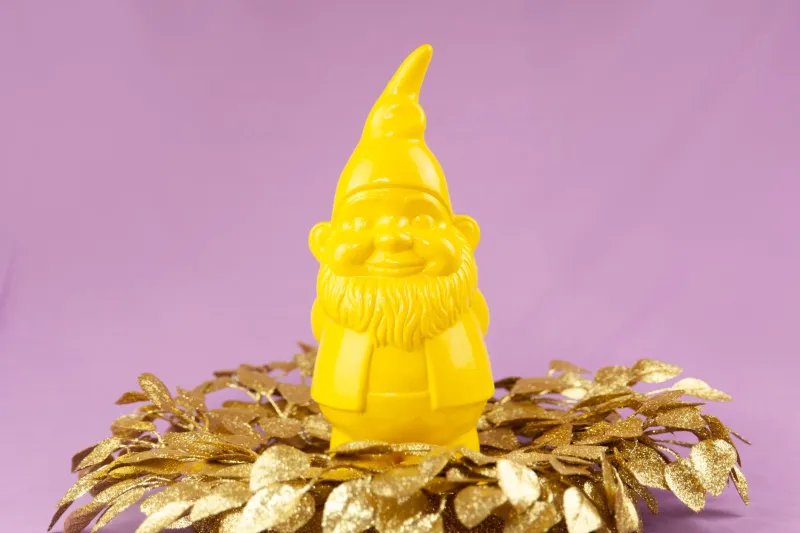
It was 1953, and Brennan's Curiosities was struggling to compete with the new shopping centers popping up in nearby Bay City. Harold figured some unusual lawn ornaments might catch the eye of passing motorists. He ordered a dozen ceramic gnomes from a catalog, thinking they'd add a quirky touch to his inventory.
 Photo: Bay City, via image.cnnturk.com
He had no idea he was about to accidentally transform his town into the gnome capital of America.
The Misquote That Started Everything
The trouble began when a reporter from the Bay City Times stopped by to write a fluff piece about Harold's unusual merchandise. The article was supposed to be a simple "local businessman sells quirky lawn ornaments" story.
But somewhere between the interview and the printing press, Harold's casual comment about having "the largest selection of garden gnomes in the area" became "the largest selection of garden gnomes in the Midwest."
Harold didn't even notice the error until customers started showing up from three states away, expecting to browse through hundreds of gnomes. His dozen ceramic figures suddenly looked pretty pathetic.
Being a practical businessman, Harold did what any reasonable person would do: he panic-ordered every garden gnome he could find. Within two weeks, Brennan's Curiosities had transformed from a general roadside shop into what looked like a gnome army staging ground.
Enter the Celebrities
The story might have ended there, with Harold selling gnomes to garden enthusiasts and everyone moving on with their lives. But then Clark Gable happened.
 Photo: Clark Gable, via i.ytimg.com
The movie star was driving through Michigan in summer 1954, taking what his publicist called a "spontaneous road trip" (which was actually a carefully planned PR stunt). Gable's entourage stopped at Brennan's to stretch their legs, and photographers snapped pictures of the Hollywood legend surrounded by dozens of ceramic gnomes.
The photos hit newspapers nationwide with captions like "Clark Gable Visits Michigan's Gnome Wonderland." Suddenly, Reese wasn't just a town with a gnome shop — it was a destination that attracted movie stars.
Visitors started arriving by the busload, all wanting to see the place that was famous enough for Clark Gable. Harold kept expanding his gnome collection to meet demand, and other shop owners in town started stocking gnomes to capitalize on the unexpected tourism boom.
The Zoning Crisis
By 1956, Reese had a problem. The town's main street was lined with gnome shops, gnome-themed restaurants, and even a motel called "The Gnome Home." Thousands of visitors were flooding into a town that had never planned for tourism infrastructure.
The city council was split between residents who loved the economic boost and those who thought the whole gnome thing was embarrassing. The breaking point came when someone proposed building a 50-foot-tall fiberglass gnome as a roadside attraction.
The ensuing zoning battle made local headlines for months. Supporters argued the giant gnome would cement Reese's reputation as a tourist destination. Opponents worried it would make the town a permanent laughingstock.
The compromise they reached was pure bureaucratic genius: they banned any gnome displays over 15 feet tall within city limits, but created a special "tourism overlay district" where gnome-related businesses got tax breaks.
The Accidental Brand
What started as Harold's desperate attempt to save his failing shop had become Reese's entire identity. By the 1960s, the town was officially marketing itself as "America's Gnome Capital," complete with an annual Gnome Festival that drew visitors from across the Midwest.
The festival featured gnome costume contests, gnome painting workshops, and even gnome racing (don't ask). Local high school students got summer jobs dressed as gnomes, directing tourists to the various gnome-themed attractions.
None of this was planned. The town had no marketing committee, no tourism board, and no strategic vision. They just kept reacting to whatever happened next, and somehow it kept working.
The Modern Gnome Economy
Today, Reese still embraces its accidental identity. The town of 1,400 people hosts over 50,000 visitors annually, most coming specifically for the gnomes. Harold Brennan's original shop is now a museum, and his descendants run three different gnome-themed businesses.
The economic impact is real: gnome tourism generates over $2 million annually for local businesses. Hotels, restaurants, and shops throughout the area depend on visitors who come looking for ceramic lawn ornaments.
What makes the story even more surreal is that most residents will freely admit the whole thing is ridiculous. They know their town's fame is based on a newspaper misquote and a celebrity photo op. But they also know it pays the bills.
The Lesson of Accidental Success
Reese's transformation reveals something fascinating about how places become "destinations." It wasn't careful planning or marketing genius that put the town on the map — it was a series of accidents that residents were smart enough to embrace rather than fight.
The town could have been embarrassed by its gnome reputation and tried to distance itself from the association. Instead, they leaned into the absurdity and built a sustainable economy around it.
Sometimes the best business strategy is simply being willing to become whatever weird thing the world decides you are. Harold Brennan just wanted to sell some lawn ornaments. He ended up creating a legacy that's lasted seventy years and shows no signs of slowing down.
Not bad for a dozen ceramic gnomes and a misquoted newspaper article.