Two Transposed Digits Quietly Unlocked a Vault of Classic American Music
A Mistake So Small It Fit in Two Digits
In the grand scheme of clerical errors, transposing two numbers doesn't sound like much. You'd expect it to cause a billing headache, maybe a misrouted package. You probably wouldn't expect it to quietly detonate the copyright protection on an entire catalog of American music.
But that's exactly what happened sometime in the 1960s, when a filing clerk at the Library of Congress accidentally swapped two digits on a copyright renewal form — and in doing so, created one of the strangest legal gray zones in the history of American intellectual property.
The songs didn't disappear from the radio. Nobody went to jail. The artists kept performing. But technically, legally, on paper — a significant chunk of recorded music had just slipped into the public domain without anyone asking for it.
How Copyright Renewal Actually Worked Back Then
To understand why two wrong digits could do so much damage, you have to understand how copyright law functioned in the mid-twentieth century. Under the Copyright Act of 1909 — which governed most creative works until 1978 — copyright protection wasn't automatic and eternal the way it is today. It came in two terms.
The first term lasted 28 years from the date of publication. After that, the copyright holder had to actively renew the protection by filing the correct paperwork with the Copyright Office. If they filed correctly, they got another 28 years. If they didn't — or if the paperwork contained a disqualifying error — the work fell into the public domain immediately.
No grace period. No appeals process. No second chances.
This system meant that the Copyright Office was processing enormous volumes of renewal forms every single year, handled largely by human clerks working through physical documents. The margin for error was not small.
The Specific Mistake Nobody Caught
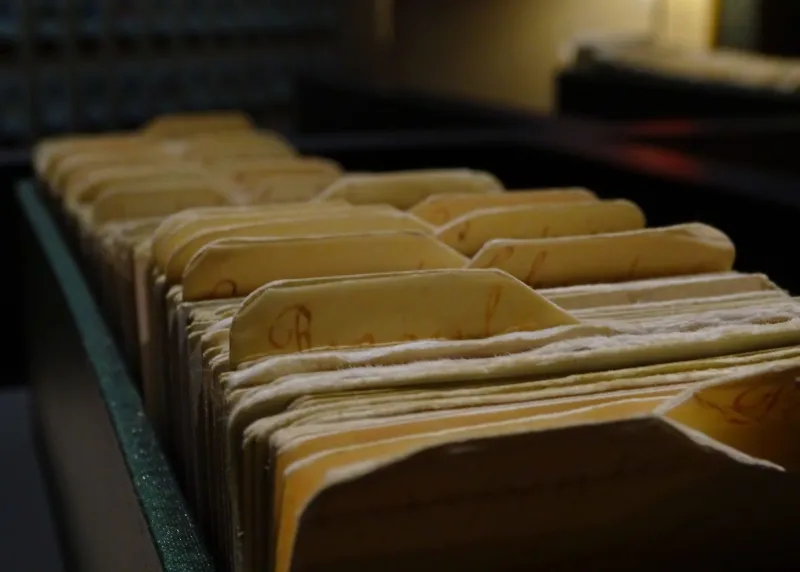
The error in question was almost insultingly minor. A clerk processing renewal forms for a music publishing catalog transposed two digits in a registration number — the unique identifier that linked a renewal application back to the original copyright filing. The number recorded on the renewal didn't match any valid original registration in the system.
Under the strict requirements of the 1909 Act, that mismatch was legally fatal. A renewal that couldn't be connected to a valid original registration wasn't a renewal at all. And a copyright that hadn't been validly renewed had expired.
The music publishing company that owned the catalog had no idea. They had filed the paperwork, paid the fees, and assumed the protection was intact. The Copyright Office had accepted the form and filed it away. Everyone moved on.
For years — in some cases, decades — the recordings continued to be licensed, royalties continued to change hands, and cease-and-desist letters continued to go out to anyone who tried to use the material without permission. The entire enforcement apparatus was operating on the assumption that the copyright was valid.
It wasn't.
The Digital Age Blows the Cover
The error might have stayed buried forever if not for a shift that nobody in the 1960s could have anticipated: the mass digitization of copyright records.
Starting in the late 1990s and accelerating through the 2000s, researchers, archivists, and music historians began building searchable databases of Copyright Office records. The goal was to help people figure out which old works were still protected and which had fallen into the public domain — a genuinely useful project, since the rules were complicated and the stakes for getting it wrong were high.
What they found, buried in the scanned records, was a pattern of renewal forms that didn't line up. Registration numbers that pointed nowhere. Renewals that, by the letter of the law, hadn't actually renewed anything.
For music catalogers and independent producers, this was extraordinary news. Recordings they had assumed were locked up tight were, according to the historical record, completely free to use. No license needed. No royalties owed. No permission required.
A Gray Zone With a Very Interesting Address
Here's where the story gets genuinely strange: even after the discrepancy was identified, it didn't resolve cleanly.
The original rights holders — or their corporate successors — argued that the error was a technicality, that intent to renew had clearly been demonstrated, and that no court would strip protection from a catalog based on a clerical slip. Some legal scholars agreed. Others pointed out that the 1909 Act was notoriously unforgiving about procedural requirements, and that courts had terminated copyright protection for far smaller missteps.
The result was a legal gray zone that persisted for years. Some producers began quietly using the recordings, betting that the rights holders wouldn't sue over material that might not be protectable anyway. Some rights holders continued sending licensing demands, betting that most people wouldn't call their bluff. Lawyers on both sides billed enormous hours.
A handful of cases settled quietly. None produced a definitive ruling that resolved the broader question.
The Lesson Nobody Really Learned
What makes this story stick isn't the legal complexity — it's the sheer improbability of the mechanism. An entire industry's assumptions about who owned what, built up over decades, resting on a foundation that included two digits in the wrong order on a form filed by someone who probably went home that evening and thought nothing of it.
The 1976 Copyright Act eventually replaced the renewal system with automatic, long-term protection, largely because the old system was generating exactly this kind of chaos. But it only applied going forward. Everything filed under the 1909 Act — the errors included — stayed exactly where it was.
Somewhere in the public domain, if the researchers are right, there are songs you've heard your entire life that technically belong to everyone. They got there because of a typo. And honestly? That's oddly legit.