A Bureaucrat Filed the Wrong Number and Accidentally Protected 73,000 Acres of American Wilderness Forever
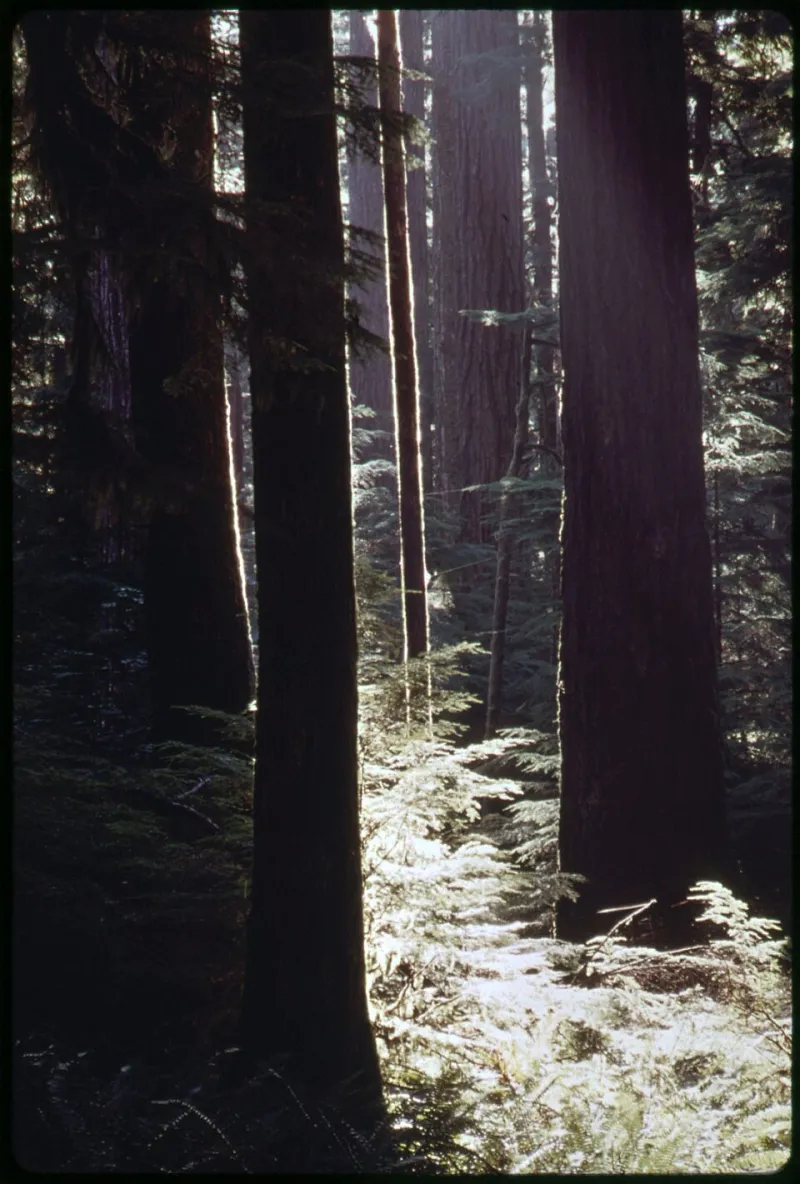
Photo: Unknown authorUnknown author, Public domain, via Wikimedia Commons
The Error That Nobody Found for Decades
Government paperwork is not, as a general rule, the stuff of adventure. It is forms and decimal points and reference numbers cross-checked against other reference numbers in filing systems that most people will never touch and nobody particularly wants to think about. It is, by design, boring.
But occasionally — very occasionally — a single misplaced digit inside that ocean of boring paperwork sets off a chain of consequences so improbable, so quietly enormous, that you have to read the story twice just to confirm it actually happened.
This is one of those stories.
Sometime in the mid-twentieth century, a federal land surveyor working through the endless administrative task of classifying public and private land in a remote stretch of American wilderness made a mistake. Not a dramatic mistake — not the kind that gets noticed immediately and triggers emergency meetings. A quiet mistake. A boundary designation entered incorrectly into official records, routing a large tract of privately claimed land into the federal protected-land column instead of where it belonged.
The surveyor moved on. The paperwork was filed. The error sat undisturbed.
What Happens When Nobody's Watching
The land in question was remote. That's not a minor detail — it's the reason the mistake survived as long as it did. When a bureaucratic error involves a piece of property that people are actively using, someone notices fast. Fences go up in the wrong place. Deeds don't match surveys. A farmer tries to sell a field and discovers the title is a mess.
But wilderness doesn't complain. It doesn't file appeals or call county assessors. It just keeps being wilderness.
With the land now formally classified as federally protected — however accidentally — the normal pressures that would have altered it simply didn't apply. Logging operations that might have moved in didn't, because the paperwork said federal land. Development proposals that might have been filed weren't, because who proposes development on protected federal acreage? Private landowners who might have exercised their claims didn't pursue them aggressively, possibly because navigating federal land disputes is expensive and exhausting and the land wasn't producing income anyway.
Decades passed. The forest, left undisturbed, did what forests do when humans stop interfering with them. It got denser. Canopy closed over old clearings. Streams ran cleaner without the runoff pressures that come with active land use. Wildlife populations — deer, black bear, migratory birds, species that need contiguous undisturbed habitat to thrive — expanded into the space the error had inadvertently reserved for them.
The land didn't know it had been saved by a clerical mistake. It just grew.
The Discovery
When the error finally surfaced — through a title review, a resurveying project, or the kind of routine administrative audit that occasionally catches things that have been quietly wrong for thirty years — it created an immediate and genuinely complicated problem.
The land had private claimants. People or entities with historical ownership records that predated the erroneous federal classification. Those claims hadn't evaporated just because a surveyor had misfiled a boundary designation. In theory, the error could be corrected, the classification reversed, and the original ownership status restored.
In practice, it was an absolute mess.
Over the decades of de facto federal protection, the legal picture had become a tangle of overlapping claims, lapsed titles, disputed inheritance chains, and the fundamental question of what it means to own land that you haven't been able to use because the government — accidentally — told everyone it was off-limits. Some original claimants were gone. Their heirs had varying degrees of interest and documentation. Untangling it all would require years of litigation, significant legal expense, and an outcome that was far from guaranteed for anyone involved.
Congress Takes the Path of Least Resistance
Federal land disputes have a way of landing, eventually, on the desks of people who would rather not deal with them. When this particular situation made its way through the bureaucratic food chain, the people at the top faced a choice: spend years and considerable public resources litigating the correction of a decades-old error, or look at what the land had become and ask whether correcting the mistake was actually the right call.
The land, by this point, was ecologically remarkable. Seventy-three thousand acres of mature, largely undisturbed habitat. Biodiversity that reflected decades of recovery from whatever human pressure had existed before the error. A functioning, self-sustaining natural system of the kind that takes generations to develop and can be destroyed in a single active season of logging or development.
Congress, displaying a pragmatism that doesn't always get credited to large legislative bodies, essentially decided that the surveyor's mistake had produced a better outcome than the correct paperwork would have. Rather than unwind the error and hand the land back to a chain of claimants whose rights were themselves unclear, they moved to formalize what the mistake had created — designating the acreage as officially protected and working through compensation mechanisms for the legitimate historical claimants.
The wilderness stayed wilderness. The designation became permanent. The error was, in the most technical sense, corrected — by making it the law.
The Accidental Conservationist
There's no monument to the surveyor who made the mistake. No plaque acknowledging that a misplaced boundary line did more for this particular stretch of American wilderness than any deliberate conservation campaign of its era. The story doesn't fit the usual narrative of environmental protection, which involves activists, legislation, public campaigns, and identifiable heroes.
This one involved a filing error and the passage of time.
What it produced — 73,000 acres of biodiverse, protected American land — is as real and as permanent as any deliberately created national park. Birds nest there. Predators hunt there. Watersheds run clean through it. Hikers walk trails through old-growth forest that survived not because anyone fought for it, but because a number ended up in the wrong column on a form that nobody checked for thirty years.
Sometimes the bureaucracy, in its infinite capacity for error, accidentally gets it exactly right.