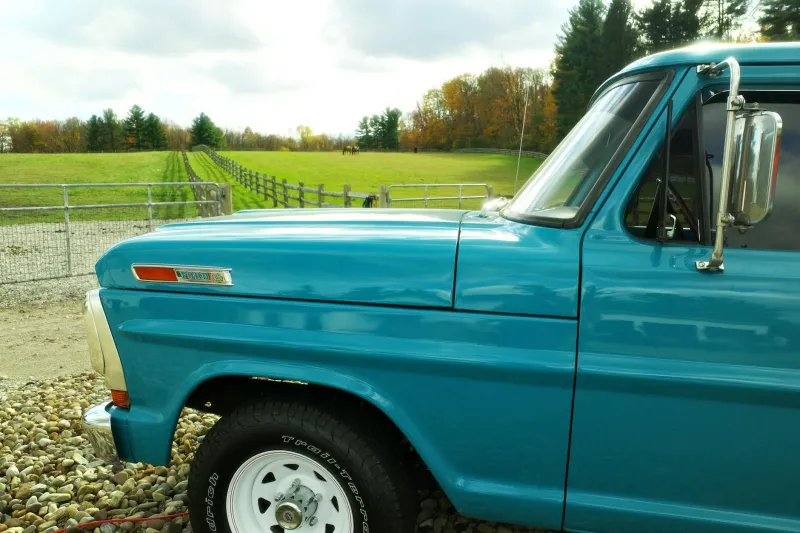
The Repo Man Cometh, Then Leaveth, Then Cometh Again
Gerald Hoskins thought his relationship with his 1984 Ford F-150 was over. The bank had repossessed it, auctioned it off, and sent him the final paperwork confirming he no longer owned the truck. Case closed, wallet lighter, lesson learned.
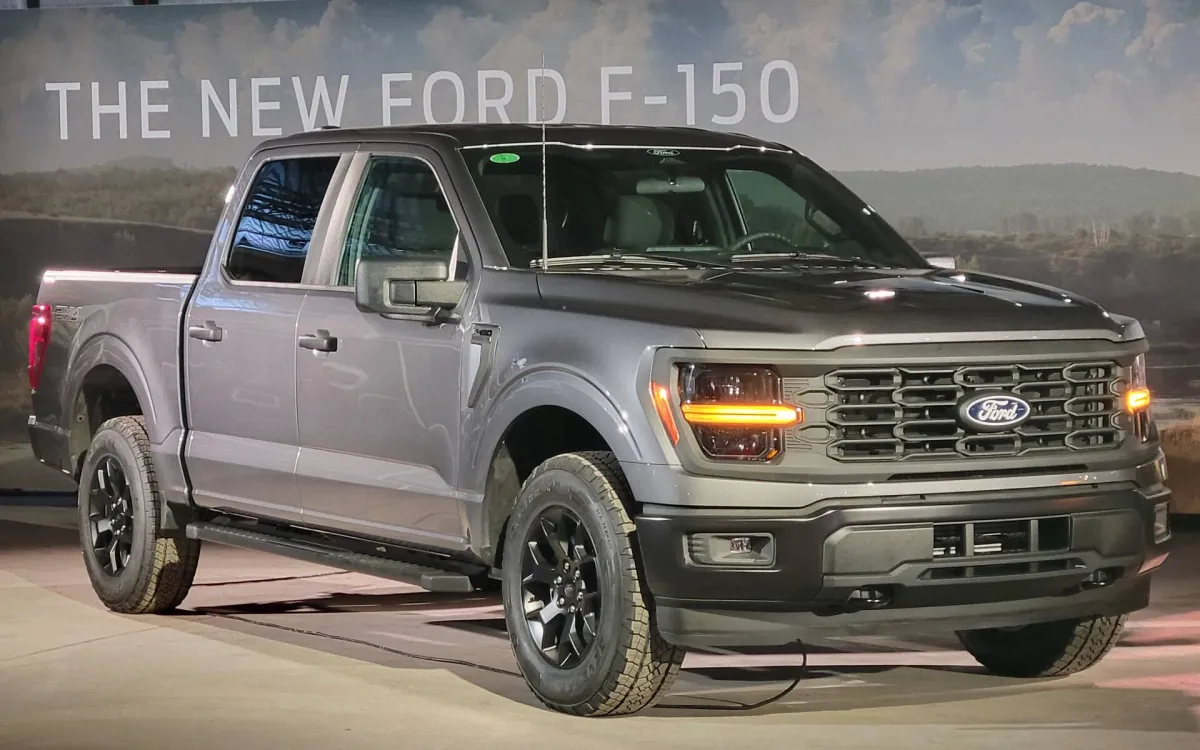 Photo: Ford F-150, via i.gaw.to
Except three weeks later, he received a vehicle registration renewal notice in the mail. For the same truck. The one he no longer owned. The one that was supposedly driving around under someone else's name.
What followed was a two-year legal odyssey that revealed just how fragile — and absolutely bonkers — America's vehicle ownership system really is.
When Computers Don't Talk to Each Other
The trouble started in February 1987, when Hoskins fell behind on his truck payments. Like thousands of Americans every year, he came home one day to find his driveway empty and a notice from the bank explaining that his vehicle had been repossessed.
The bank followed standard procedure: they auctioned the truck at a dealer lot in Burlington, Vermont. A local contractor named Mike Sullivan bought it for $3,200, received a bill of sale, and drove it home. Everything seemed normal.
But when Sullivan tried to register the truck in his name, he hit a snag. The DMV's computer system showed that Gerald Hoskins was still the legal owner, and their records indicated no lien release from the bank. Without proper documentation showing the ownership transfer, they couldn't issue new registration.
Sullivan's paperwork got stuck in bureaucratic limbo while clerks tried to sort out the discrepancy. Meanwhile, the DMV's automated system did what automated systems do: it sent Hoskins a renewal notice for a vehicle it still thought he owned.
The Accidental Re-Owner
Here's where the story gets truly bizarre. Hoskins, thinking the renewal notice was some kind of clerical error, called the DMV to explain that he no longer owned the truck. The clerk he spoke with saw that his name was indeed still on the registration and, without checking further, assumed the repossession records had been filed incorrectly.
Instead of removing Hoskins from the system, the clerk "corrected" the error by removing the lien from his record. In the computer's logic, this meant Hoskins now owned the truck free and clear — no bank loan, no monthly payments, no debt.
The system then automatically mailed him a new registration card showing him as the sole owner of a 1984 Ford F-150 that was, at that very moment, parked in Mike Sullivan's driveway.
Two Owners, One Truck, Infinite Confusion
For several months, nobody realized what had happened. Sullivan kept trying to get his registration sorted out, dealing with increasingly frustrated DMV clerks who couldn't understand why their computer insisted someone else owned his truck. Hoskins threw away the renewal notice, figuring the DMV would eventually correct their records.
Then Hoskins got pulled over for speeding.
The state trooper ran his license and discovered something peculiar: Hoskins was listed as the owner of a Ford F-150, but he was driving a Honda Civic. When asked about the truck, Hoskins explained that it had been repossessed months earlier.
The trooper, suspicious that Hoskins might be lying about a repossession to avoid some other legal trouble, decided to investigate. A quick call to the DMV confirmed that Gerald Hoskins was indeed the registered owner of a 1984 Ford F-150, with no liens or legal issues.
"So where's your truck?" the trooper asked.
"I have no idea," Hoskins replied. "The bank took it."
The Joyride That Wasn't
What happened next reads like a comedy sketch. The trooper, now convinced that either Hoskins was lying or someone had stolen a repossessed vehicle, launched an investigation to locate the "missing" truck.
It didn't take long to find. The truck was registered to Mike Sullivan's construction company and was being used daily for work around Burlington. When police showed up at Sullivan's business, they informed him that he was potentially driving a stolen vehicle.
Sullivan produced his bill of sale, auction paperwork, and months of correspondence with the DMV trying to get proper registration. The police then contacted the bank, which confirmed that they had indeed repossessed and legally sold the vehicle.
But according to the state's computer system, Gerald Hoskins was still the rightful owner.
Living in Legal Limbo
Rather than sort out the mess immediately, Vermont's bureaucracy did what bureaucracies do best: they made it worse.
The DMV froze both registration records pending an investigation. Sullivan couldn't legally drive the truck he had legitimately purchased. Hoskins couldn't convince anyone that he didn't own a truck he had never seen since the repossession.
Meanwhile, the bank's collection department, working from their own computer system, continued sending Hoskins bills for the truck loan. Their records showed the vehicle as repossessed but not sold, meaning Hoskins was still responsible for the debt.
For nearly two years, Hoskins existed in a bizarre legal state: he was simultaneously the legal owner of a truck (according to the DMV) and a debtor who owed money on a repossessed vehicle (according to the bank). Sullivan owned a truck he couldn't register, and the bank had sold a vehicle they were still trying to collect payments on.
The Lawyers Finally Figure It Out
The resolution came only after Sullivan hired an attorney who specialized in vehicle title disputes. The lawyer discovered that Vermont's DMV and banking systems didn't communicate with each other electronically — they relied on paper forms that had to be manually entered by clerks.
When the bank processed the repossession, they had filed the paperwork with their own records and the auction house, but a clerical error meant the lien release never made it to the DMV. When Hoskins called to ask about the renewal notice, the DMV clerk had "fixed" the problem by removing the lien without checking whether the vehicle had actually been sold.
The solution required court orders, sworn affidavits, and testimony from bank officials, auction house employees, and DMV supervisors. In the end, Sullivan got clear title to his truck, Hoskins was removed from all records, and the bank wrote off the remaining loan balance rather than continue pursuing someone who provably didn't own the vehicle anymore.
The Moral of the Motor Vehicle
Hoskins' case became a cautionary tale cited in legal journals about the problems with disconnected government computer systems. It also revealed how easily someone could accidentally become the legal owner of a vehicle they had never seen, simply because two databases couldn't talk to each other.
Today, most states have integrated systems that automatically update ownership records when liens are released or vehicles are sold. But Gerald Hoskins' two-year adventure as the unwilling owner of someone else's truck serves as a reminder that in America, sometimes the most basic questions — like "Who owns this car?" — can have surprisingly complicated answers.
Especially when the computers are involved.