The Medical Experiment That Accidentally Created Your Morning Routine
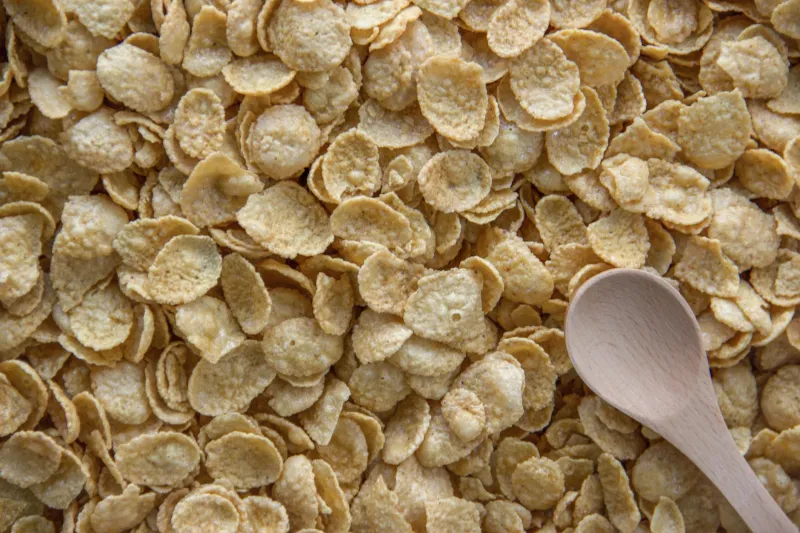
When Medicine Meets Breakfast
Imagine waking up tomorrow morning and reaching for your usual bowl of cereal, only to realize you're participating in the aftermath of a 130-year-old medical experiment gone sideways. That's exactly what millions of Americans do every single day, thanks to a health-obsessed doctor who accidentally stumbled onto one of the most profitable food discoveries in history.
Dr. John Harvey Kellogg wasn't trying to revolutionize breakfast when he made his discovery in 1894. He was running the Battle Creek Sanitarium in Michigan, a health retreat where wealthy patients came to cure their ailments through what Kellogg believed was proper nutrition and lifestyle. The doctor had some pretty extreme ideas about food – he was convinced that spicy, flavorful meals were literally poisoning Americans and causing everything from indigestion to moral decay.
The Accident That Changed Everything
Kellogg's mission was simple: create the blandest, most digestible food imaginable for his patients. He'd been experimenting with different ways to prepare wheat, trying to make it easier on sensitive stomachs. One evening in his sanitarium kitchen, he and his team were working with boiled wheat dough when something unexpected happened – they got distracted and left the mixture sitting out overnight.
Any normal person would have thrown out the stale dough and started over. But Kellogg, ever the scientist, decided to see what would happen if he rolled it out anyway. When the wheat went through the rollers, instead of forming a solid sheet like fresh dough would, it separated into individual flakes. Curious, he toasted these flakes and served them to his patients.
The response was immediate and surprising. Patients who had been choking down Kellogg's other "health foods" – which included things like nut-based meat substitutes and grain coffee – actually enjoyed these crispy wheat flakes. They were asking for seconds, thirds, even requesting to take some home.
From Hospital Food to Household Name
What happened next is where the story gets really interesting. Kellogg's patients started writing to him after they left the sanitarium, begging for more of those wheat flakes. Word spread, and soon people who had never set foot in Battle Creek were writing letters asking how they could get their hands on this new food.
Kellogg realized he might have something bigger than just hospital food on his hands. He started a small mail-order business, shipping his "Granose Flakes" to customers across the country. But the doctor had strict principles – these flakes were medicine, not indulgence. They had to remain unsweetened, unflavored, and as bland as possible to maintain their health benefits.
This is where his younger brother Will enters the picture, and where the story takes a turn that sounds like something out of a soap opera.
The Brother Who Broke All the Rules
Will Kellogg had been working as his brother's business manager, watching the mail-order operation grow and seeing something John couldn't – or wouldn't – see. People weren't buying these flakes because they were healthy. They were buying them because they actually tasted good and were convenient. But Will also noticed something else: customers kept writing to ask if they could add sugar or honey to make the flakes even better.
John was horrified by these suggestions. Adding sugar would completely defeat the purpose of his health food. But Will saw an opportunity that would make him one of the richest men in America.
In 1906, Will secretly started his own company and began producing his own version of the flakes – with one crucial difference. He added sugar. Not just a little bit, but enough to make the cereal genuinely enjoyable rather than just tolerable.
The Feud That Built an Empire
When John discovered what his brother had done, he was furious. In his mind, Will had taken a carefully crafted health food and turned it into exactly the kind of indulgent, harmful product that was making Americans sick. The two brothers, who had worked together for years, stopped speaking to each other almost entirely.
But Will's gamble paid off spectacularly. His sweetened corn flakes became a national sensation, and his company – which he called the Kellogg Company – grew into one of America's largest food corporations. Meanwhile, John's unsweetened health food business struggled to compete.
The irony is almost too perfect: a doctor who spent his life preaching about the dangers of sugar accidentally created the foundation for a breakfast empire built on exactly what he opposed. And the brother who "corrupted" his recipe became a household name, while the original inventor remained largely forgotten outside of health food circles.
The Morning Legacy
Today, when you pour yourself a bowl of Kellogg's Corn Flakes – or any of the hundreds of breakfast cereals that followed – you're participating in the strangest medical experiment success story in American history. A food that was designed to be so boring it couldn't possibly cause excitement or health problems became the foundation for an entire industry dedicated to making breakfast as appealing and convenient as possible.
The next time you're standing in the cereal aisle, looking at dozens of colorful boxes promising everything from chocolate chunks to marshmallow surprises, remember that it all started with a doctor who thought flavor was dangerous and a brother who decided to prove him wrong. Sometimes the most ordinary parts of our daily routine have the most extraordinary origin stories – and sometimes the best discoveries happen when everything goes completely according to someone else's plan.